Glacier Wildflowers By THE DAY!


Glacier Wildflower Timeline
| Flower | Jun 15–30 | Jul 1–10 | Jul 10–20 | Jul 20–31 | Aug 1–10 | Aug 10–20 | Aug 20–31 | Sep |
|---|---|---|---|---|---|---|---|---|
| Glacier Lily | 🌼 Peak | 🌼 | ||||||
| Balsamroot | 🌼 Peak | 🌼 | ||||||
| Beargrass | 🌿 | 🌿 Peak | 🌿 | |||||
| Indian Paintbrush | 🌺 | 🌺 Peak | 🌺 Peak | 🌺 | ||||
| Lupine | 🌸 | 🌸 Peak | 🌸 | |||||
| Fireweed | 🌸 | 🌸 Peak | 🌸 Peak | 🌸 | ||||

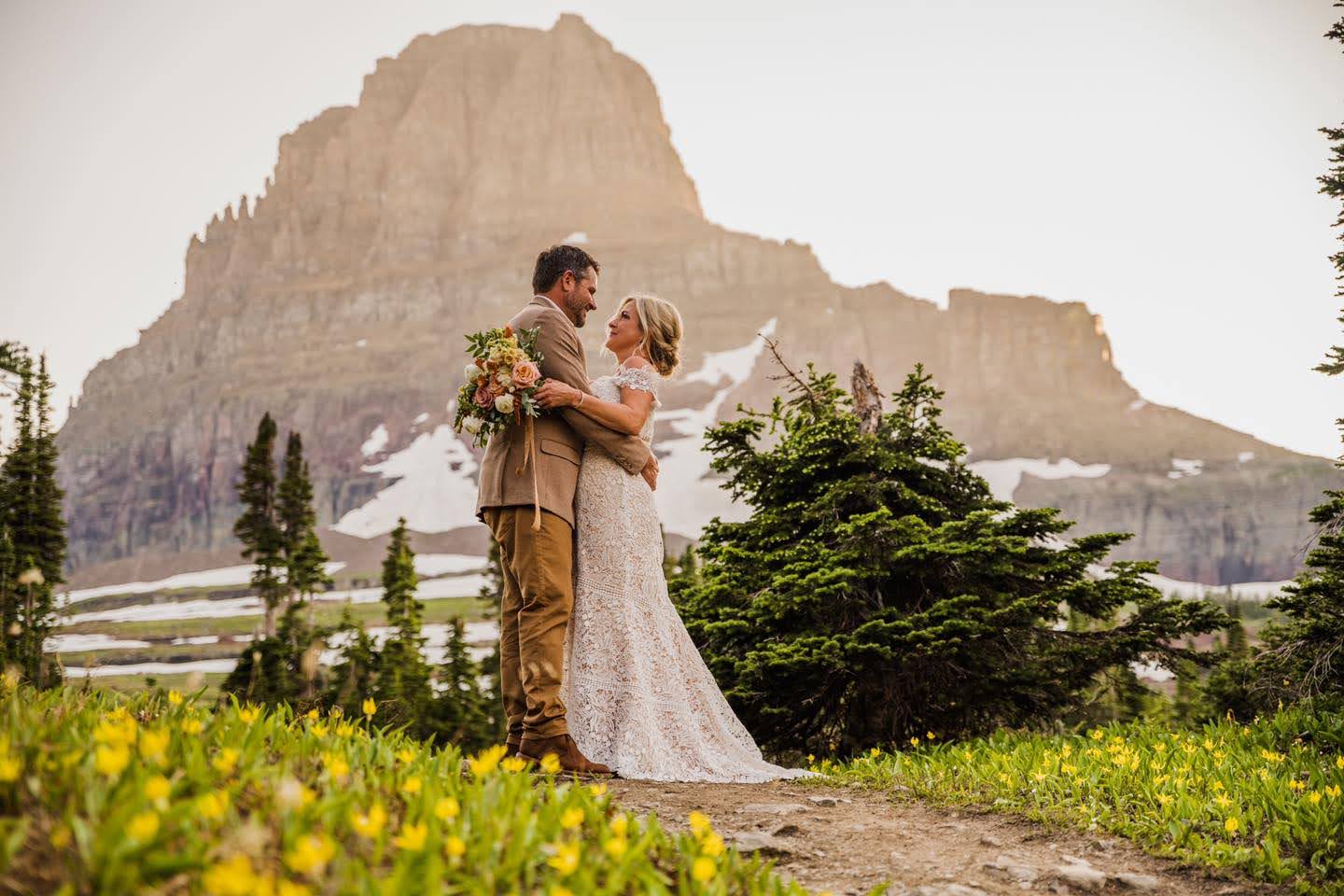
Glacier Lily | Mid June – Early July
Glacier Lily (Erythronium grandiflorum)
Late May–July, just days after the snow melts.
One of Glacier’s first signs of spring, popping up right at the edge of retreating snowbanks. Its petals curl backward as it opens, soaking up the sun and feeding early pollinators. A small flower that signals a big seasonal shift.


Balsamroot | Mid May – Early July
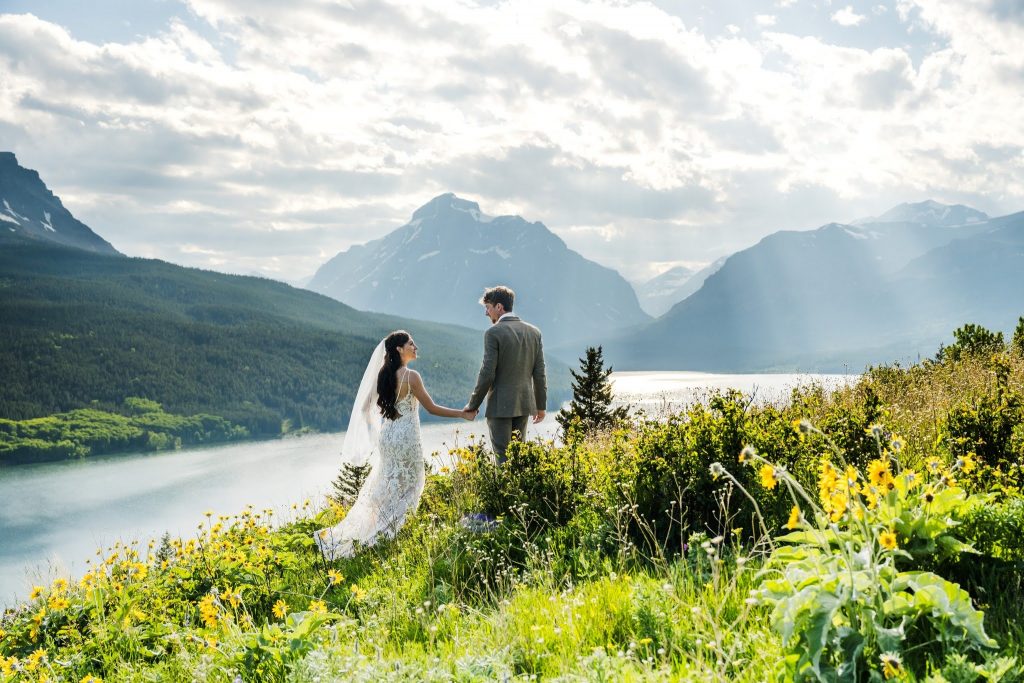
Arrowleaf Balsamroot (Balsamorhiza sagittata)
May–June on the east side of the park, especially Two Medicine and St. Mary Valley. “With deep roots and golden faces turned toward the sun, this flower thrives where others struggle. Blooming earlier than most, it paints open hillsides in warm yellows — a true marker of early summer in Glacier.”


Beargrass | Late June – Mid July
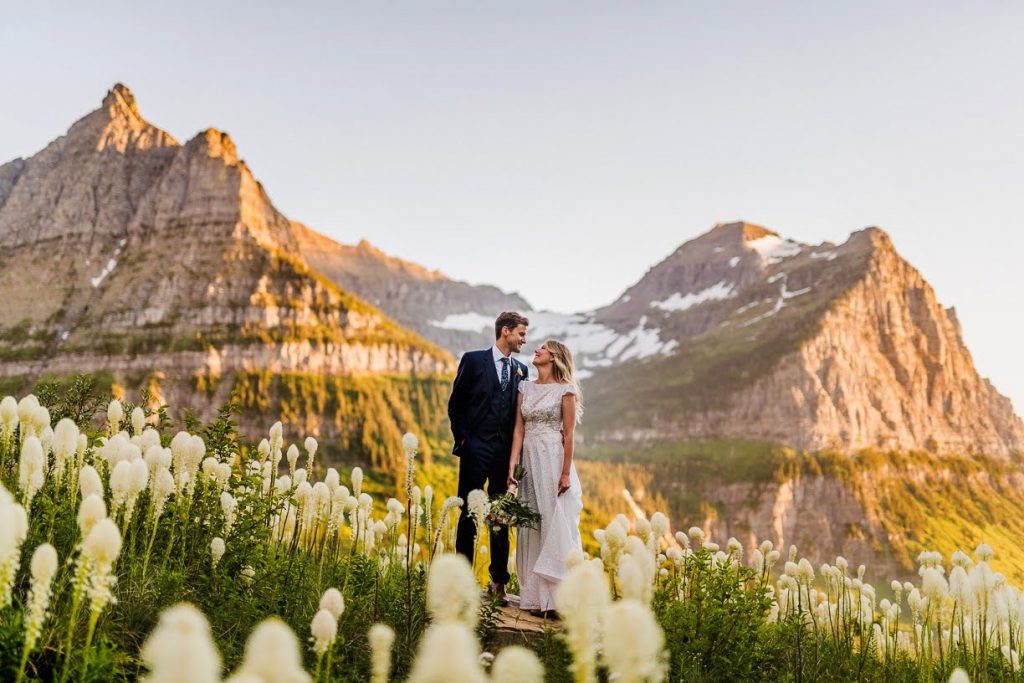
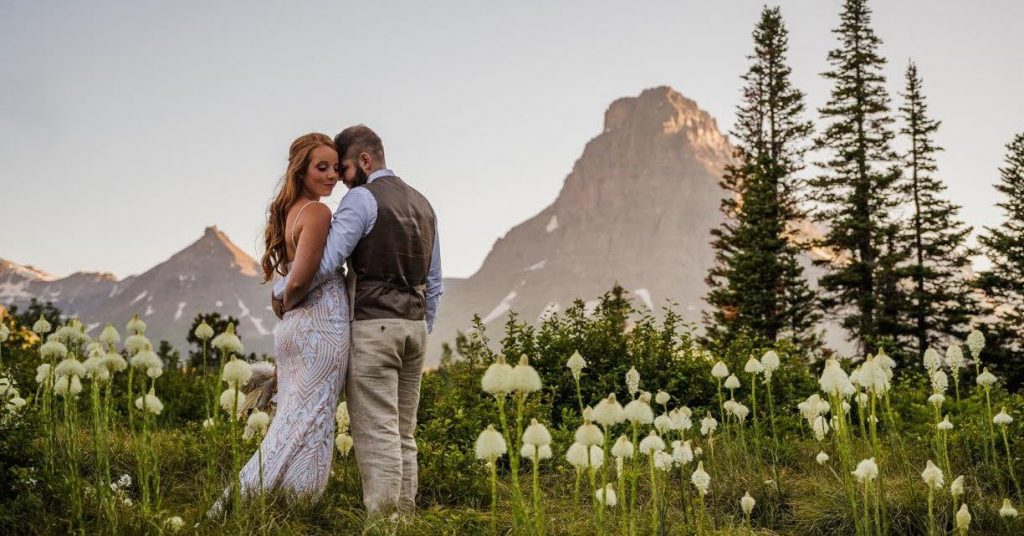
Beargrass (Xerophyllum tenax)
Late June–July in Logan Pass, Hidden Lake, and along the Highline Trail.
Not actually a grass, but a lily in disguise — and when it blooms, entire mountainsides turn white. These dramatic displays only happen every few years, making them feel extra special when they do.


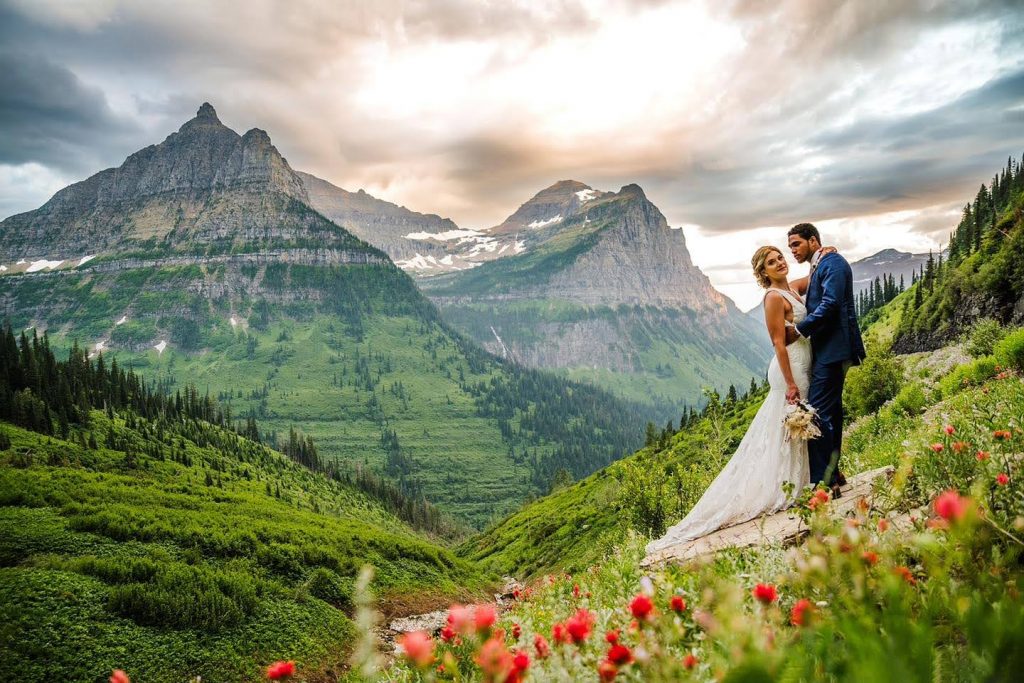
Indian Paintbrush | Late June – Late July
Indian Paintbrush (Castilleja)
Late June–August in open meadows and alpine slopes throughout Glacier National Park, especially near Logan Pass.

Lupine | Early July – Mid July
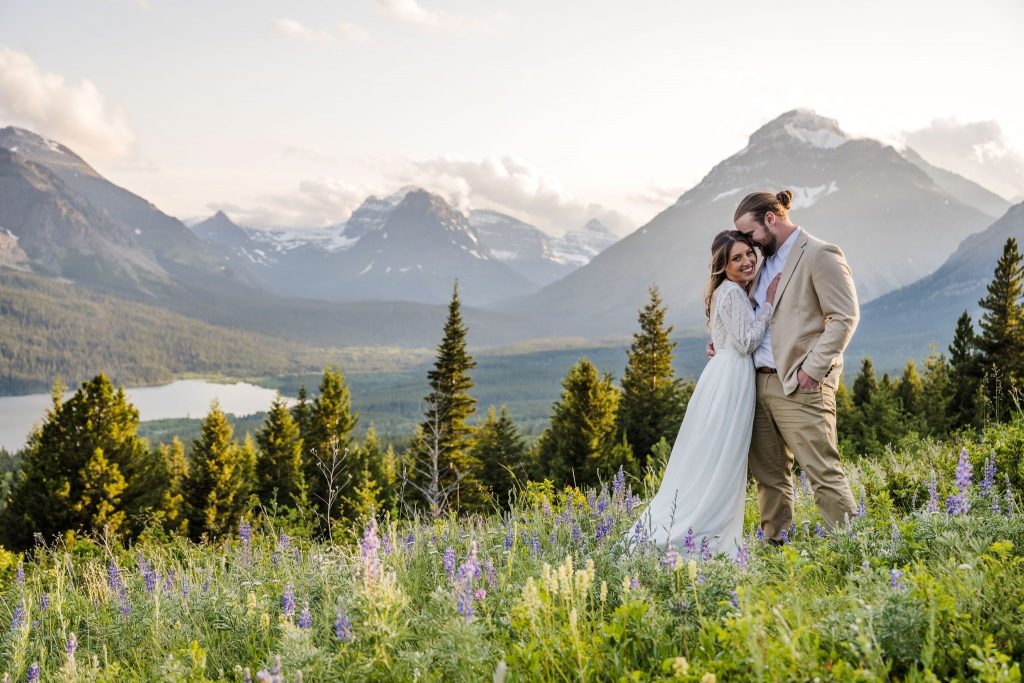
Lupine (Lupinus Sericeus)
Late June–mid July in alpine and subalpine meadows around Logan Pass, Many Glacier, and Two Medicine.
Tall spires of violet-blue flowers rise above the grasses, often mixed with paintbrush and daisies in Glacier’s peak wildflower season. Bold, colorful, and unmistakably alpine — lupine brings a rich splash of purple to the park’s summer landscapes.


Fireweed | Mid July – Mid August
Fireweed (Chamerion angustifolium)
July–August in Many Glacier, Polebridge, St. Mary Valley, and burn areas.
The first wildflower to rise from burned ground, Fireweed is nature’s proof that beauty returns. It blooms from the bottom up — a quiet countdown letting us know summer won’t last forever.

